
A small release with a clear production lesson
On October 13, 2026, shots published a production note on Josea by TK Mami, naming BSWT as production company and Muscle Beach as director. The article says every frame in the video was generated by AI, with TK Mami’s performance first captured at the Muscle Beach office on an iPhone. Apple Music lists Josea as a single dated October 1, 2026.
We should be precise about scope. This article is not a frame-by-frame review of the finished video, and it does not claim independent access to full production files. It analyses the production information made public by shots, the CRDT listing linked from that article, Muscle Beach’s own positioning as a studio blending craft and AI, and recent public reporting around the studio’s launch.
The reason to cover it is not novelty for its own sake. The case is useful for advertising and music production because it frames AI video as a performance-led workflow rather than just a prompt-led image trick.
That difference matters for sound.
Performance becomes the organising data
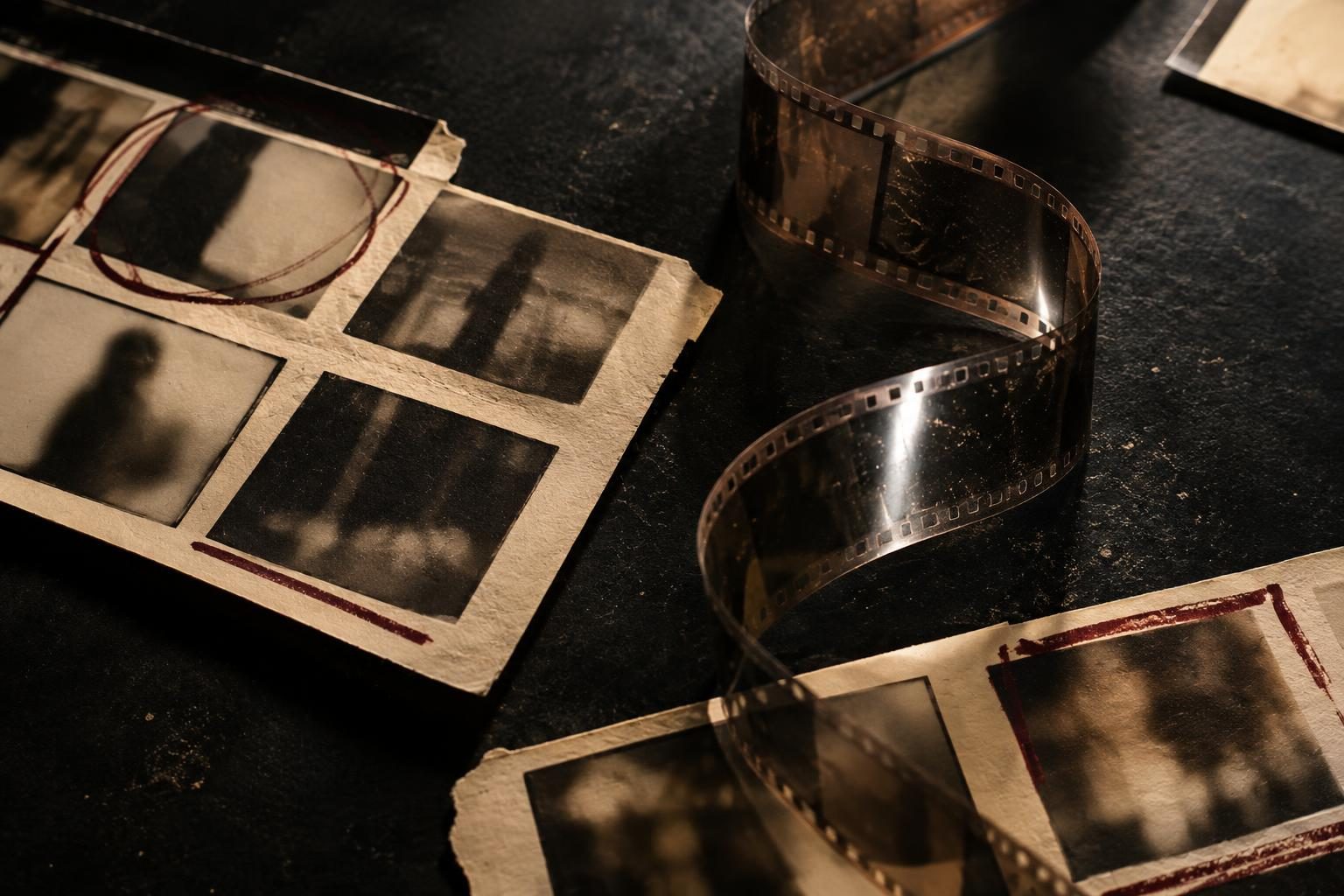
According to shots, no final screen environment was shot in the conventional sense. The phone capture was used as reference for movement, acting, camera and setting, then scenes were built around it with AI. The article also says the locked cut was printed to film and scanned back, giving the grain and softness a physical source rather than a plug-in look.
For producers, the central point is not whether every brand should use the same method. It is that the human performance appears to be the stabilising element. AI provides the world. The performer gives timing, attitude and continuity.
Music works the same way. A cue can be synthetic, hybrid, orchestral, electronic or minimal, but it becomes useful when it follows something real: breath, body weight, cut rhythm, eye line, gesture, vocal attack, or a deliberately held silence.
The weaker version of an AI brief is: “make it early-2000s Los Angeles, funny and fast.” The stronger version is: “the artist leads the scene with a half-second delay before each cut; the music should catch that delay, not smooth it away.”
That is a production brief, not a style prompt.
What agencies can take from it
Consider a fashion or beauty brand planning a fast social film with a performer. The budget cannot support six built locations, but the idea calls for several heightened worlds. The shallow lesson would be to generate everything and add a fashionable track at the end.
The better lesson is to capture a useful human reference first. Record the walk, glance, hand movement, spoken guide track, choreographic accent or breathing tempo that will hold the edit together. Then build image, music and sound design around that spine.
This approach gives the composer or sound team something to react to. Instead of scoring a vague mood board, they can score physical decisions. Where does the performer accelerate? Where should the cut feel late? Which transition needs impact, and which needs air? Should the music lead the image, follow it, or contradict it?
For ad delivery, this matters because the hero film is only one format. Six-second, ten-second and fifteen-second versions will expose weak audio structure quickly. If the music is one locked stereo file, versioning becomes fragile. If the project is built in stems, the campaign can adapt.
The same delivery discipline applies here as in any multi-format campaign: https://sultasto.agency/blog/audio-stems-cutdowns-versioning-ad-campaign-2026-10-08
Speed is not the same as clearance
shots describes AI as enabling a fast turnaround, while also saying direction, performance, editing, sound and overall authorship remained in human hands. That is an important creative statement, but advertisers should not confuse it with a full clearance answer.
A brand campaign needs separate questions. Which tools were used? What terms governed commercial use? Were any visual or musical references too close to existing work? Were likeness, voice or performance rights implicated? Who owns or controls the final assets? What territories, paid media and duration are covered?
Music videos and paid advertising also carry different risk profiles. A music video may live in an artist-led context where audiences accept experimentation. A paid brand film makes the commercial purpose explicit. That can change legal, union, insurance and reputation review.
The same applies to music. A synthetic vocal texture, generated beat or AI-assisted reference track can be useful during development, but the final campaign still needs a clean chain of rights. If the brief asks for a recognisable artist’s vocal feel or a famous song’s structure, the risk is not erased by new output.
For broader campaign clearance, this framework is still relevant: https://sultasto.agency/blog/music-rights-international-ad-campaign-2026-10-06
A useful brief would start earlier
The Josea case suggests that AI production is strongest when direction comes before generation. That principle is exactly what music and sound teams need from agencies.
A good brief should answer practical questions. What performance reference leads the edit? Is picture locked before final generation? Where are the moments of friction? Does the sound need to make the image feel handmade, unreal, glamorous, comic, threatening or intimate? Which deliverables are required for paid media? Are AI tools present only in image, or also in music, voice, sound effects and cleanup?
If the project uses generative tools, the music team should know early. Not because every use is a problem, but because it affects rights, stems, timing, contracts and sonic authorship.
Musically, the most interesting answer is not necessarily “AI sound.” It might be treated strings, close percussion, damaged electronics, a small human vocal session, or a restrained orchestral gesture that gives the image gravity. Contemporary orchestral writing can sit inside a hybrid production without becoming pastiche. Likewise, electronic sound design can support performance without flattening it into a demo-reel effect.
For timing the music conversation, this guide remains useful: https://sultasto.agency/blog/when-to-call-music-agency
The serious objection
There is a real limitation here. A public production note cannot prove the full rights position of a project. It cannot tell us every tool used, every term accepted, every reference supplied, or every internal clearance decision. It also does not prove that an AI-first workflow is right for every agency schedule.
For some commercials, especially global brand campaigns, the cost of uncertainty may outweigh the saving in speed. A fully controlled shoot, a human-led VFX process, a custom score or a cleared music licence may still be the stronger production decision.
The useful conclusion is more restrained. AI video is not automatically a shortcut away from craft. When it works as production, it still needs craft in the old places: performance, timing, edit structure, sound, rights and finishing.
For music and sound teams, that is an opportunity. The more flexible images become, the more the soundtrack must anchor what the audience believes. Without that anchor, a film can drift. With it, even an unreal image world can feel directed.