
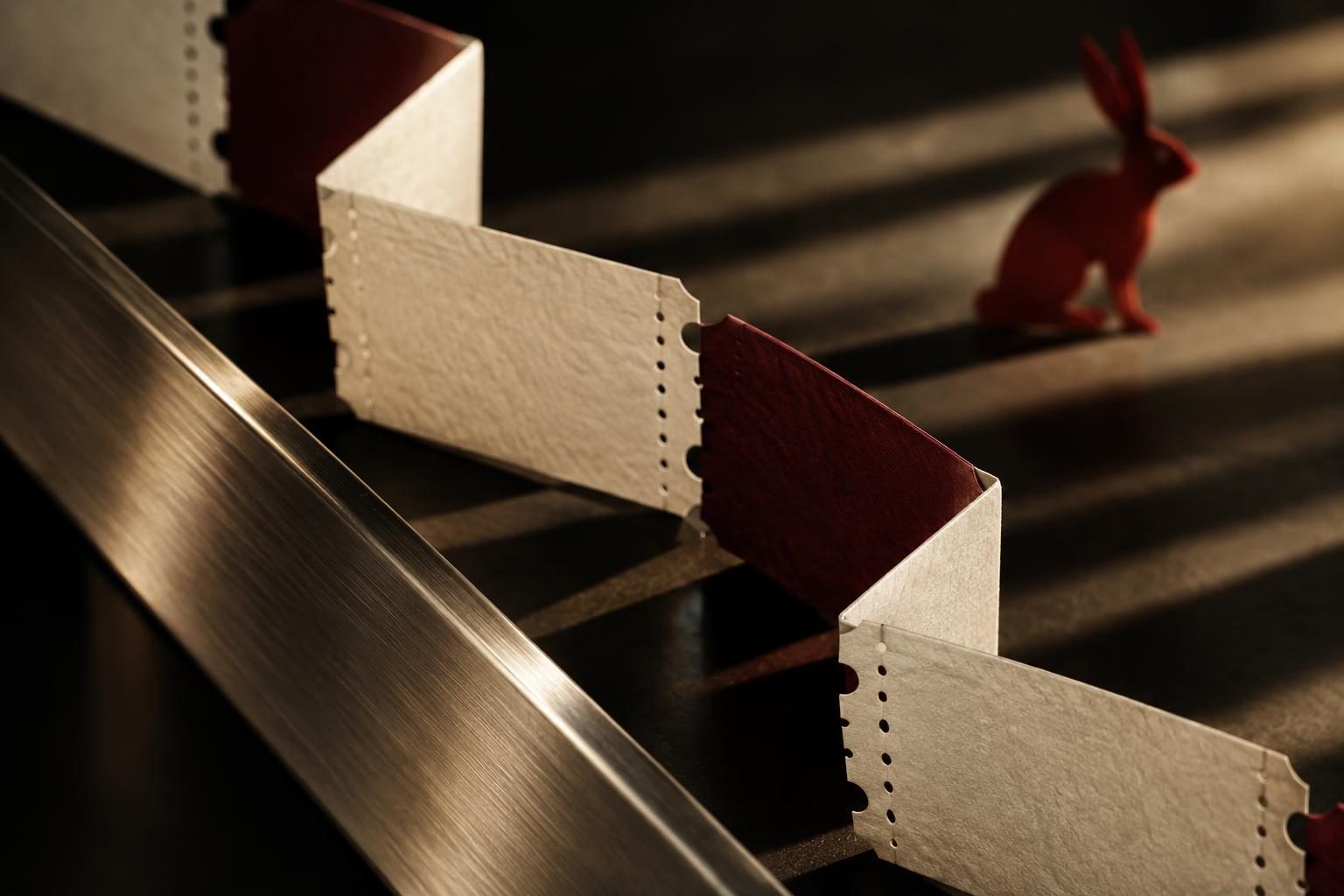
A current campaign with a practical sound lesson
On 20 October 2026, Greater Anglia and c2c announced a joint campaign called “Drop the Robot and Catch Some Fun Times”. LBB published the campaign and credits on 22 October. shots covered the work on 23 October, listing Pablo London, Outsider, DOM&NIC, Nexus Studios, RASCAL and Forever Audio among the credited companies.
The campaign matters for sound because the idea is not just “take the train”. It is a change of state. According to the operator release and trade coverage, the work is built around people living on autopilot and being encouraged to break routine for days out by rail.
That is a sound problem as much as a film problem.
We are not claiming to have reviewed a studio quality mix or to have heard materials that are not publicly available. The useful production point is this: when a commercial is about leaving robotic repetition behind, music and sound design cannot behave like decoration. They have to organise the transition.
From autopilot to alive is a rhythm brief
The sources describe a robot family, the red hare mascot, a trip into London and a move towards becoming more human. In sound terms, that creates an obvious temptation.
You could fill the first act with mechanical ticks, synthetic beeps and robot movement. You could open into warmer music once the day out begins. You could end with a bigger emotional lift.
That may work, but it can also become too literal. A rail campaign has practical information to carry. It needs clarity, not just character. If the robotic world is overdesigned, the audience may remember the gag but miss the proposition. If the score becomes too sentimental, the campaign loses the everyday truth of escaping routine.
The sharper brief is rhythmic: what does repetition feel like, what breaks it, and how quickly should the audience feel the change?
That can be handled through tempo, density, silence, edit points, texture and mix depth. The most effective choice may be smaller than the concept suggests. A narrow loop can communicate routine. A slight loosening of timing can suggest release. A more open frequency balance can make the destination feel human without stating it.
One concrete example: TV, radio and social cannot use the same trick
Greater Anglia’s release says the integrated campaign includes television, cinema, radio, social, digital and outdoor. That matters because a transformation idea behaves differently in each channel.
In a TV or cinema edit, the audience can see the robots change. Sound can support the arc without explaining every detail. It can hold back, let animation do the work, then widen the emotional space.
In radio, there is no visual transformation. The writing, voice, music and sound design need to make “autopilot” and “fun times” understandable without becoming a pile of robot effects.
In social, the opening seconds carry more weight. A 10 or 15 second cut may not have room for a full three act sonic arc. The campaign may need modular pieces: a short mechanical texture, a travel lift, a recognisable musical gesture, clean edit points and versions that leave space for voice or supers.
That is why stems and cutdowns are not delivery admin. They are part of the idea. We cover this in stems, cutdowns and versioning for advertising delivery.
The credits show how complex the sound handoff can be
The LBB work page credits Pablo London, Outsider, directors DOM&NIC, Final Cut London, Nexus Studios, RASCAL and Forever Audio. It also lists The Sync Agency and Dan Dunbar on the version of the work page consulted.
That is a typical high craft advertising chain. It is also a coordination challenge.
Animation asks for precise sonic behaviour. Editorial creates timing expectations. VFX and grade alter the perceived physicality of movement. The agency and brand still need a campaign message to land across media. The sound team has to decide what to make audible, what to leave visual, where music leads and where sound design should stay out of the way.
This is where many commercials become crowded. Animated characters invite detail. Every movement seems to deserve a sound. But a good mix is not a catalogue of everything on screen. It is a hierarchy.
Our piece on music and sound design in postproduction makes the same point: divide responsibility early, or the final mix becomes a negotiation between too many good ideas.
The serious limitation: mascots can overpower the message
Greater Anglia and c2c are using character equity, including Greater Anglia’s red hare and c2c’s Pip, according to the operator releases. That can help memorability. It can also create a risk.
If the characters become the entire memory of the ad, the transport behaviour may be weaker. The audience may recall the robots, the museum or the joke, but not the reason to choose rail for a day out.
Sound can either sharpen or worsen that problem. Too much comic characterisation makes the campaign feel like a skit. Too much generic uplift makes the characters interchangeable. The better route is to make the sonic idea connect the state change to the journey: routine, release, movement, destination.
The operator release says the first phase runs from 20 October to mid November 2026, before a Christmas campaign, with “Drop the Robot and Catch Some Fun Times” returning next year. That makes consistency more valuable. If the platform continues, the sound world should be able to flex by season without starting from zero.
For a related question, see our note on turning campaign music into sonic identity.
What producers should take from it
The useful lesson is not that every campaign needs more sound. It is that a transformation concept needs a transformation plan.
Before picture lock, producers should ask what the audience must feel first: robotic repetition, escape, ease, family time, London energy, value, brand recognition or media recall. Those are different sound briefs.
A rail campaign can be playful without being noisy. It can be warm without becoming generic. It can use character without letting character swallow the commercial job.
If your film depends on a visual change of state, bring music and sound in early enough to shape rhythm, not just decorate the finished edit. That is where the campaign starts to feel inevitable rather than merely illustrated.